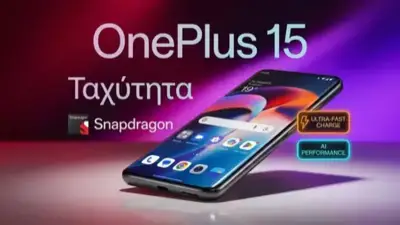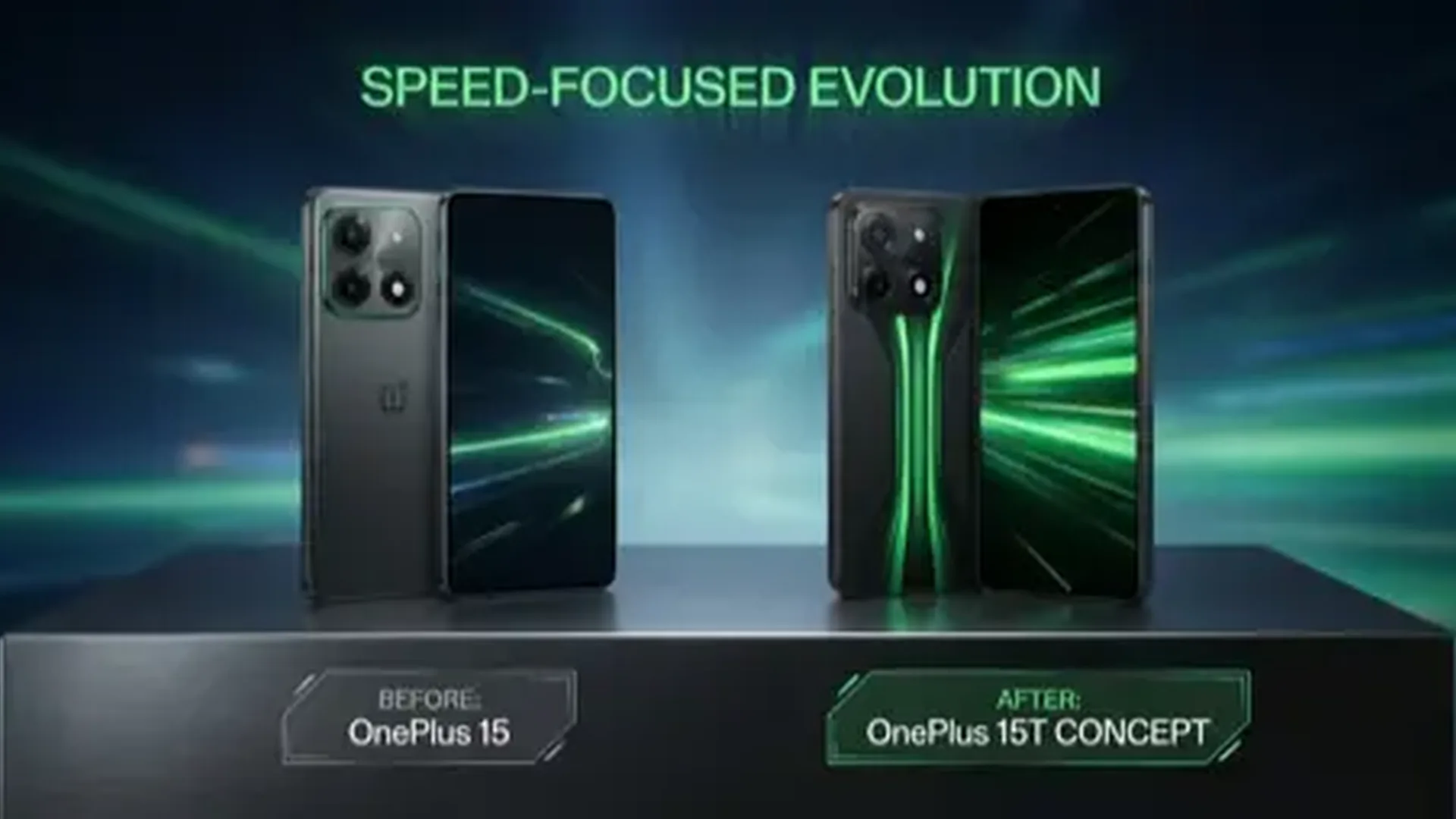


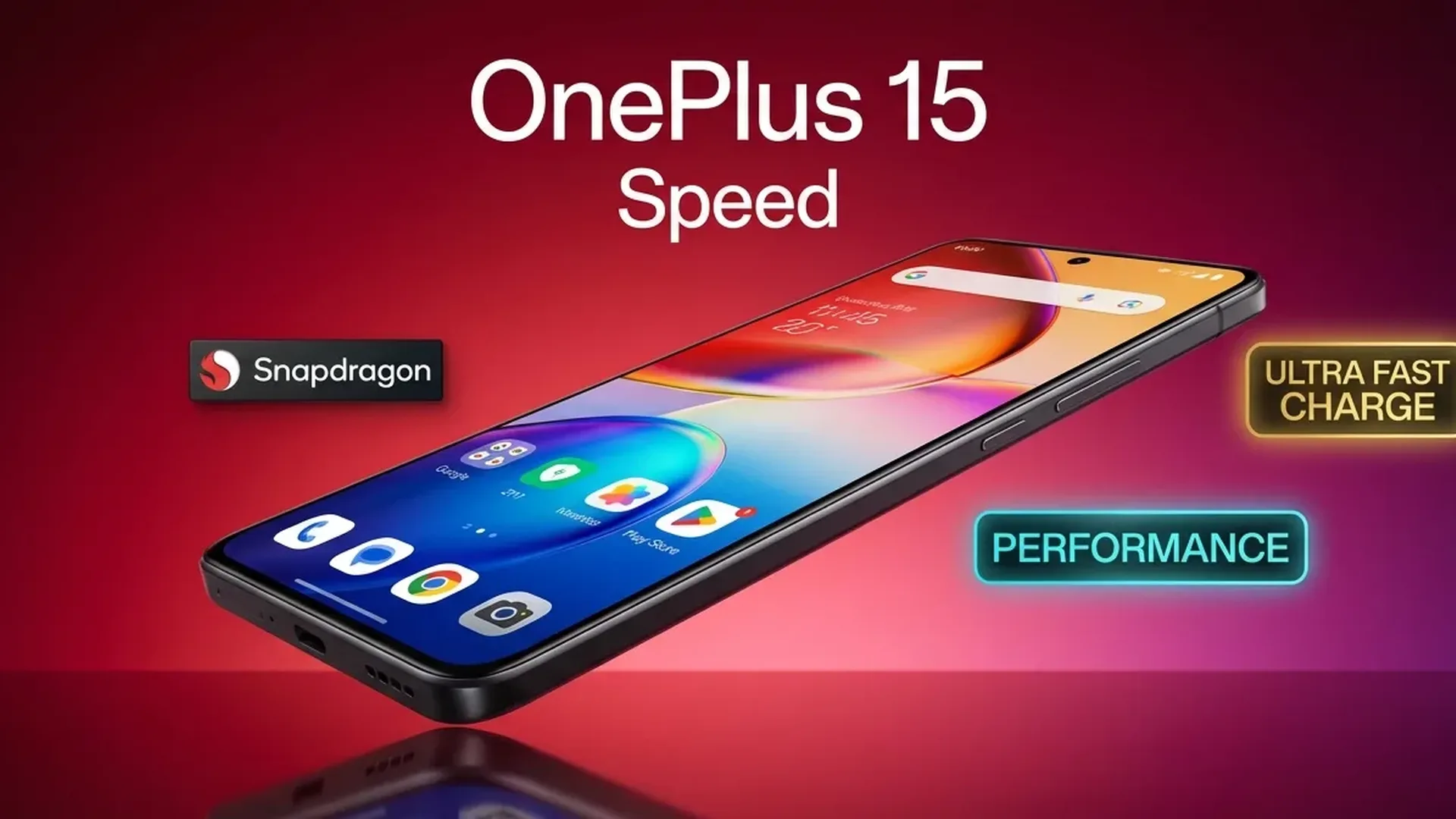
The OnePlus 15 isn't just another flagship. It's proof that a company can rewrite the rules of the game — and with a 7,300mAh battery, Snapdragon 8 Elite Gen 5, and 120W charging, that's exactly what it does. Android Police gave it an 8.5/10 and the title “The end of battery anxiety” — and after weeks of use, we couldn't agree more.
Price and Availability
The OnePlus 15 launched in two variants: the base 12GB/256GB model costs $900 (Infinite Black only) and the 16GB/512GB at $1,000. Pre-orders started on November 13, 2025 through the OnePlus store, Amazon, and Best Buy. The Ultra Violet edition is limited, available only through OnePlus and Amazon.
The price puts the OnePlus 15 in direct competition with the Google Pixel 10, the Samsung Galaxy S25 Edge, and even the iPhone 17 Pro. In this price range, every dollar counts — and OnePlus needs to prove it's worth it.
Design: Sleek but Generic
The OnePlus 15's design philosophy takes a dramatic turn from its predecessor. Where the OnePlus 13 featured curved sides and a faux leather back, the 15 goes with flat sides and straight lines. The result is a modern, understated phone — but perhaps a bit generic.
At 8.1mm thick and 215 grams (211g for the Sand Storm), it sits comfortably in hand despite the angular lines. OnePlus paid attention to the curves where it matters — where the chassis meets the glass. But it's slippery, so you'll need a case.
The black version (Infinite Black) has matte glass that looks almost Vanta Black — visually striking, but prone to scratches. The Sand Storm offers a ceramic coating and the Ultra Violet a sheen glass finish.
Worth noting: OnePlus removed the legendary Alert Slider, which takes away some of the phone's character. In its place is the “Plus Key” — but it's not the same thing. The IP66/IP68/IP69/IP69K rating means it can handle dust, water, and even high-pressure jets — a rarity in this category.
The Battery That Changes Everything
This is where the OnePlus 15 breaks every record. The 7,300mAh battery uses silicon nano stack technology for optimal efficiency, and it's 2,300mAh larger than the Samsung Galaxy S25 Ultra's. A number that speaks for itself.
In practice, the numbers are even more impressive:
- 30 minutes of YouTube at max brightness over 4G: just 2% battery drain
- 20 minutes of 3DMark stress test (ray-traced): 13% battery drain
- 5 hours of screen-on time (mixed use): still at 50-55%
- 2-3 days of battery life with normal use (~3 hours screen time/day)
Charging is equally impressive. With the 120W SuperVOOC charger, it fills up in under 45 minutes — remarkable for a battery this size. It also supports 50W wireless charging (AirVOOC). If you use a third-party charger, times will vary.
In balanced mode (the default setting), no performance issues were observed. There are also High Performance and Power Saving modes. The OnePlus 15's battery is, simply put, the best on any smartphone right now.
Performance and Software
Qualcomm's Snapdragon 8 Elite Gen 5 processor powers the OnePlus 15 with relentless force. Paired with 16GB LPDDR5x Ultra+ RAM and UFS 4.1 storage, every app opens instantly, every game runs without frame drops, and every multitasking session is butter-smooth.
Asphalt Legends: Unite at max settings? Not a single stutter. It's worth noting, though, that after 20 minutes of intensive gaming, the chassis gets quite warm — it doesn't overheat, but if you game heavily for hours, you'll feel it.
The 6.78-inch display impresses: 1.5K resolution (2772 x 1272) paired with a 165Hz refresh rate — a first-ever combination in a smartphone. LTPO technology dynamically adjusts the refresh rate based on content.
OxygenOS 16 (based on Android 16) is fast and smooth. It offers plenty of customization — Quick Settings, themes, icons, lock screen styles. However, it doesn't feel as cohesive as iOS 26, and the reviewer notes that “it's easier to make Android look ugly than on the Pixel 10.”
The update policy: 4 years of major updates and 6 years of security patches. Good, but behind the 7 years offered by the Google Pixel 10 and Samsung Galaxy S26.
Camera: The Weak Spot
Let's be honest here. Three 50MP cameras on the back (main + telephoto 3.5x optical / 7x optical quality + wide-angle) and a 32MP selfie — the specs sound impressive. The reality, however, doesn't quite follow.
Hasselblad is no longer partnering with OnePlus. In its place, the company developed its own DetailMax Engine — and unfortunately, it's not ready yet. The issues:
- Exposure is inconsistent
- Contrast gets pushed too high
- Colors rarely match reality
- Night mode triggers too early, losing sharpness
- Noise in the telephoto under challenging lighting conditions
Daylight photos are decent, the telephoto's depth of field is pleasant, and the camera app is fast. But if photography is your top priority, the Pixel 10 Pro and iPhone 17 Pro are objectively better choices.
OnePlus knows the DetailMax Engine needs work — and it can improve through software updates. But right now, the camera doesn't live up to the premium price tag.
AI Features: Useful Without Being Pushy
OnePlus approaches AI features like a breath of fresh air: it doesn't force them on you. Unlike Samsung, which packs Galaxy AI into every corner, here the tools exist but don't pressure you into using them.
The Plus Key (Alert Slider replacement) can be configured to toggle ring/vibrate/silent mode, camera, flashlight, or the Mind Space AI feature. Mind Space stores screenshots and notes, which AI summarizes and organizes — similar to Nothing's Essential Space.
Other AI tools include AI Translate, AI Search, AI Recorder, and AI Writer. The latter works in specific apps (e.g., Instagram) but its suggestions range from cringe-worthy to unnecessary. OnePlus's AI isn't a game-changer — but at least it doesn't get in the way.
OnePlus 15 vs The Competition — Key Specs
| Feature | OnePlus 15 | Galaxy S26 Ultra | Pixel 10 Pro |
|---|---|---|---|
| Processor | SD 8 Elite Gen 5 | SD 8 Elite Gen 5 | Tensor G5 |
| Battery | 7,300mAh | 5.000mAh | 5.200mAh |
| Charging | 120W / 50W | 60W / 15W | 45W / 25W |
| Display | 6,78″ 165Hz | 6,9″ 120Hz | 6,3″ 120Hz |
| Updates | 4+6 years | 7+7 years | 7+7 years |
| Price (base) | $900 | ~$1.300 | $1.000 |
Who Is It For?
The OnePlus 15 is ideal for a specific audience. If you fall into one of the following categories, this is your phone:
Power users: The 7,300mAh battery with 120W charging means you can completely forget about battery anxiety. No other globally available flagship comes close.
Gamers: The Snapdragon 8 Elite Gen 5, the 165Hz display, LPDDR5x Ultra+ RAM — the best hardware available. Asphalt Legends: Unite at max settings with zero stuttering.
Looking for value: At $900, you get a chipset on par with the Galaxy S26 Ultra, the largest flagship battery on the market, a 165Hz display, Wi-Fi 7, Bluetooth 6.0, and IP69K. It's a lot of phone for less money.
But if photography matters above all else, look elsewhere. The Pixel 10 Pro or iPhone 17 Pro give you objectively better cameras. The DetailMax Engine still needs a few generations to catch up with the competition.
Final Verdict
The OnePlus 15 changes the game in the area that matters most to most people: battery life and speed. A 7,300mAh battery in an 8mm flagship body wasn't possible a few years ago — now it's reality, and it fully charges in 45 minutes.
The camera is the trade-off. OnePlus showed courage by moving away from Hasselblad and building its own processing engine, but the DetailMax Engine isn't there yet. If you can live with “decent but not best-in-class” photos, there's no reason not to get this phone.
With an 8.5/10 rating from major tech publications, the OnePlus 15 proves that OnePlus knows where it hurts — and gives you 7,300 reasons to choose it.